OpenAI and Anthropic Join Forces in Washington Against Powerful Chinese Open Weight Models Like Kimi K3
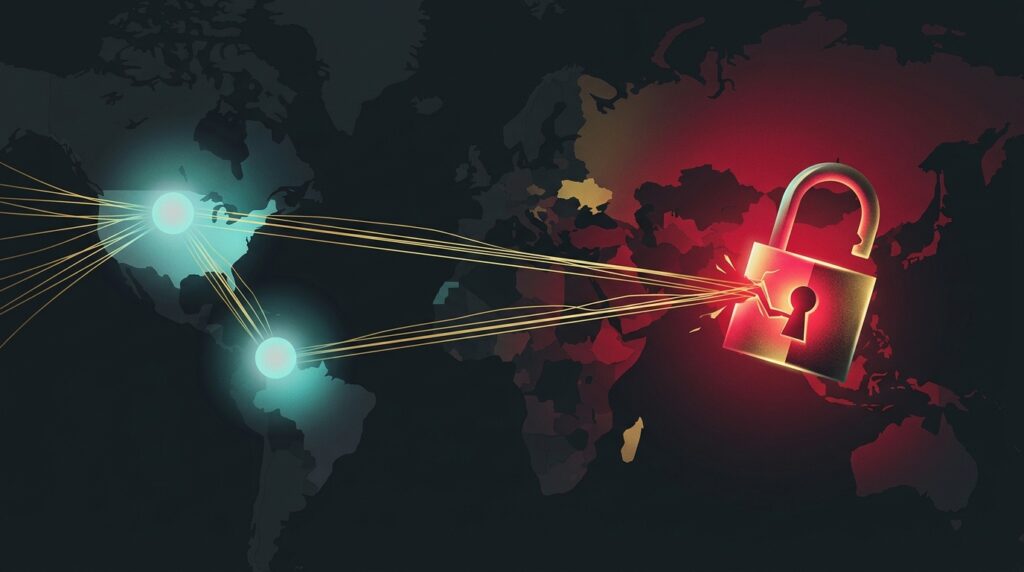
According to an Axios report from July 22, 2026, republished by Yahoo News, OpenAI and Anthropic are aligned in Washington to warn policymakers about the risks of powerful Chinese open weight AI models, such as Moonshot AI's Kimi K3. The Trump administration is reviving an attempt to ban these models and Treasury Secretary Scott Bessent is threatening sanctions over alleged intellectual property theft, per TechCrunch's July 21, 2026 report, while critics like David Sacks warn of regulatory capture.
OpenAI and Anthropic Join Forces in Washington Against Powerful Chinese Open Weight Models Like Kimi K3
OpenAI and Anthropic are aligning in Washington to warn policymakers about the risks of powerful Chinese open weight AI models, such as Kimi K3 from startup Moonshot AI, according to an Axios report published on July 22, 2026 and republished by Yahoo News. The joint move by the two leading US AI labs comes as the Trump administration revives an attempt to ban Chinese open weight models following the Kimi K3 launch, with Treasury Secretary Scott Bessent threatening sanctions over alleged intellectual property theft, as reported by TechCrunch on July 21, 2026.
Dario Amodei's Argument: Open Weights, Lost Control
Anthropic CEO Dario Amodei argues that open weight models are structurally harder to keep safe. Once a model's weights are released publicly, the original developer loses the ability to revoke access, update safety guardrails, or prevent misuse by third parties. For Amodei, this makes open frontier models, capable of complex tasks in coding, science and persuasion, a risk vector that no later fix can fully neutralize, unlike closed models accessed only through an API, where the lab retains ongoing control over the system's behavior.
Kimi K3 Reignites the Ban and Sanctions Threat
The launch of Kimi K3, from China's Moonshot AI, acted as the trigger for reviving a policy the Trump administration had already been considering: banning the use of Chinese origin open weight AI models in sensitive US contexts. According to TechCrunch, Treasury Secretary Scott Bessent went as far as threatening sanctions against Chinese AI companies over alleged intellectual property theft, raising the stakes of a dispute that until then had revolved more around performance and cost than foreign trade legal instruments.
Regulatory Capture? David Sacks and the Open Source Community's Pushback
The shared position taken by OpenAI and Anthropic put the two labs at odds with researchers, startups and open model advocates, who see broad access to AI as essential for market competition and scientific progress. Among the critics is David Sacks, a Trump administration adviser on AI matters, who warned that this kind of scrutiny could effectively amount to regulatory capture: rules framed in the name of safety would end up shielding the industry's largest companies, making it harder for smaller competitors to launch and distribute their own models.
American Startups Warn of an Unenforceable Policy's Risks
Founders of American startups building products on top of open weight models, including Chinese ones, warn that a hard to enforce ban would destroy hundreds of US companies that currently rely on these models for cost and performance. At the same time, according to these founders, the measure would hand OpenAI and Anthropic a market advantage effectively sanctioned by the US government, reinforcing the perception that the safety debate also serves the commercial interests of the two leading labs.
What the Different Sources Show
The original reporting comes from Axios, republished by Yahoo News and Yahoo Politics, with complementary coverage from TechCrunch on the sanctions threat, plus mentions in outlets such as Startup Fortune and TechTimes. It is worth noting that this story differs from two other recent MaxAssistant reports: the bilateral frontier AI governance dialogue between the United States and China scheduled for September, and the pre launch review window the White House is finalizing with OpenAI, Anthropic and Google. Here, the focus is specifically the lobbying alliance between the two American labs against Chinese open weight models and the Trump administration's response with a sanctions threat.
Why This Matters for Open Model Users in Brazil
Many Brazilian marketing automation and customer service agencies and SMEs already run Chinese open weight models, such as Kimi K3, Qwen, GLM and DeepSeek, in production, precisely for their competitive cost and performance, a topic MaxAssistant has already covered when reporting on Kimi K3 pausing new subscriptions due to excess demand and the launch of Alibaba's Qwen3.8 Max. If the Washington dispute results in a ban, sanction or usage restriction on these models, the practical effect could reach Brazilian products sold to US customers, making integrations that are common today more expensive or even unfeasible. Beyond that, the episode signals a geopolitical tension likely to spread to other jurisdictions, also pressuring Brazilian AI infrastructure providers to pick a side between Chinese open weight models and the closed options from American labs.