From Political Pressure to Concrete Measures
On August 11, 2026, President Lula gathered ministers at the Planalto Palace to demand a national artificial intelligence strategy, but the meeting ended without announcing new measures, funding sources or timelines, as this site previously reported. Less than two weeks later, on August 20 and 21, the federal government took the missing step: it detailed a concrete infrastructure package within the Brazilian Artificial Intelligence Plan (PBIA), with specific investments, figures and defined partners.
A Domestic Supercomputer at 7,200 Petaflops
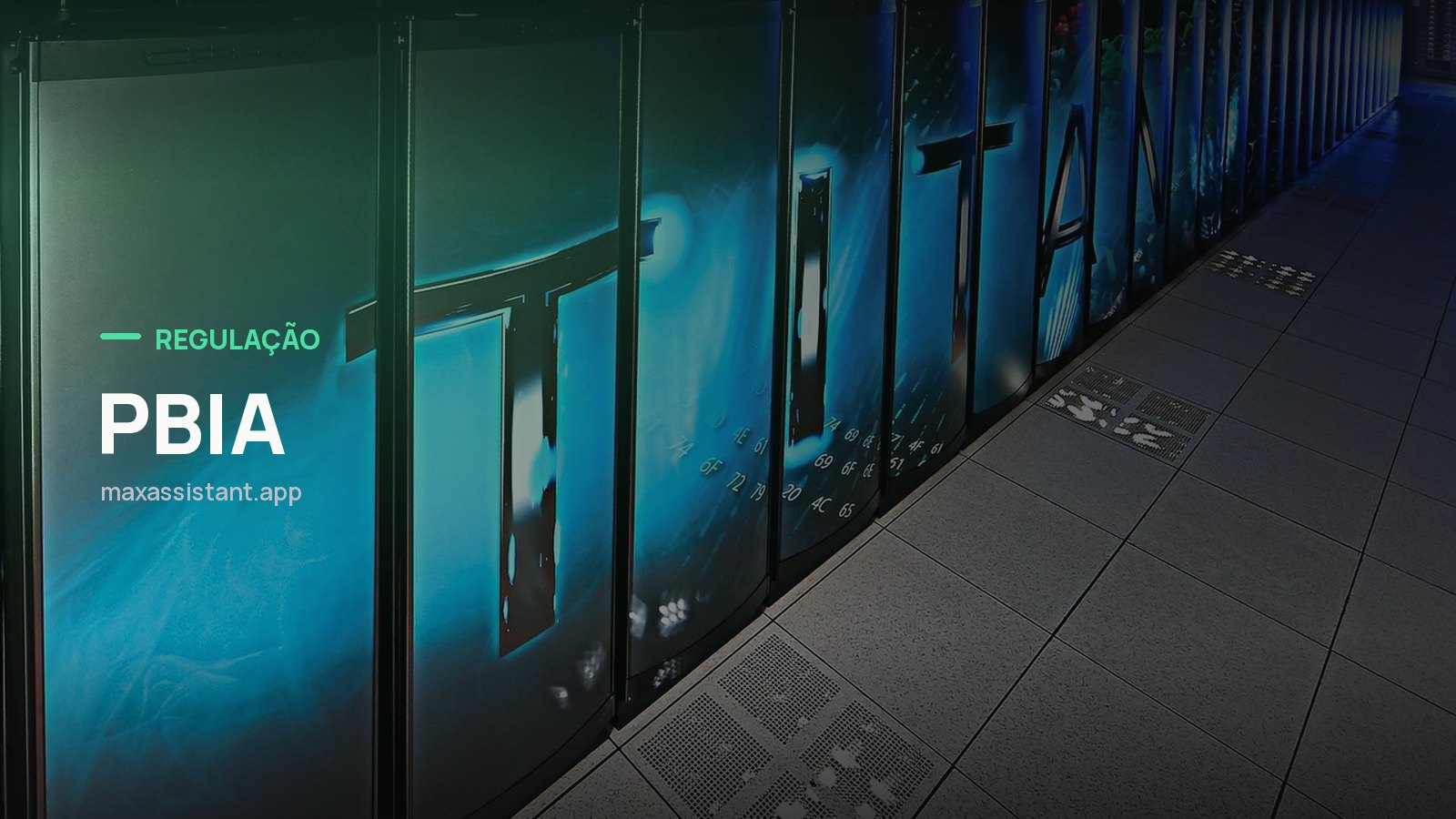
According to Correio Braziliense, the plan calls for acquiring, through a competitive bidding process, a new supercomputer dedicated to artificial intelligence, with an estimated investment of about R$1 billion and capacity of roughly 7,200 petaflops. The equipment is meant to boost the country's capacity to train and run AI models without depending entirely on foreign infrastructure.
A Partnership With Huawei and iFlytek in Rio de Janeiro
The package also includes a supercomputing facility in Rio de Janeiro, the result of a partnership between Brazil's National Education and Research Network (RNP) and China's Huawei and iFlytek, with an investment of R$1.276 billion over five years, according to SintraMog. The deal expands Chinese suppliers' presence in Brazil's AI infrastructure at a moment when the United States and China are openly fighting for control over chip and cutting-edge computing supply chains.
Nuvem Brasileira: a Domestic Storage Alternative
Rounding out the package is the structuring of the so-called 'Nuvem Brasileira' (Brazilian Cloud), a public-private partnership meant to create a domestic alternative for data storage and processing, reducing dependence on major foreign cloud providers and aiming to boost Brazilian companies in the sector, according to FatoNews. Together, the three fronts add to the PBIA 2024-2028, which calls for R$23 billion in total investment over the period, aimed at talent, infrastructure and technological sovereignty.
Why It Matters for Brazilian Agencies and SMBs
For marketing and customer service automation agencies and SMBs, the package signals the federal government is starting to move from rhetoric to concrete investment in domestic AI infrastructure, which could, over time, expand cloud and computing options within the country and reduce exclusive dependence on foreign providers. It is still too early to expect a direct impact on the cost or availability of AI tools used today, since supercomputing projects take years to mature, but it is worth tracking public bids and calls tied to the Nuvem Brasileira, which could open room for partnerships or incentives for Brazilian tech companies over the medium term.