OpenAI confirmed on Wednesday the launch of Images 2.6, the new generation of its image creation engine inside ChatGPT, Codex and the API. The company says its products already generate 4 billion images a week, more than half a billion a day, and points to that volume to justify the priority placed on speed and fine control over each editing round.
GIFs land inside ChatGPT
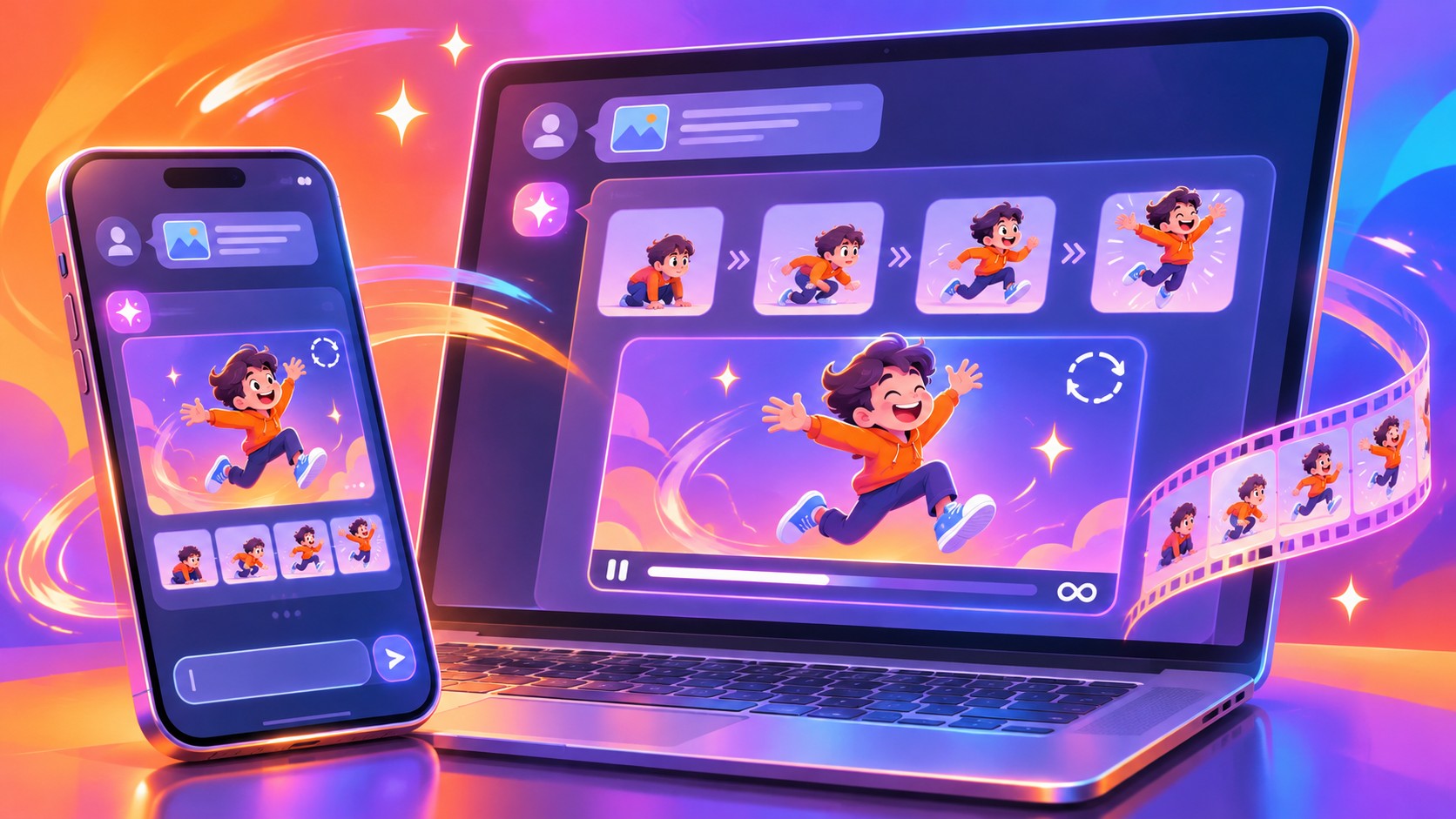
The feature most visible to everyday users is animated GIF creation from a text prompt or an uploaded image. Users can turn a brand mascot, a product shot or even a meme reaction into a short loop, with speed adjustment and frame by frame editing. The feature is live across every ChatGPT and Codex plan, on web, desktop and mobile, though OpenAI warns the GIF option rolls out gradually, so not every account sees it on day one. Another practical change is saved reference images, such as someone's face, a pet or a recurring character, which now stay stored for reuse in future creations without re uploading the file.
Flare and Sunburst target builders
For API users, the update ships as two models named GPT Image 2.6 Flare and GPT Image 2.6 Sunburst. Flare prioritizes speed: at low quality, it claims to generate an image in as little as six seconds, aimed at posters, product shots and any workflow that needs volume. Sunburst targets the opposite end, with more detail and more consistency across successive edit rounds, useful for anyone who needs a character or product's visual identity to stay intact across versions. OpenAI also brought the image markup feature already available in ChatGPT into the API, added SVG export for web and print use, and introduced a complexity parameter that decides how much planning the model applies before generating a result.
Why it matters
The package is an evolution, not a break: OpenAI had already split speed and quality across two models in the previous generation, Images 2.5, released less than two months earlier. What actually changes is the cadence. Independent tests from Design Arena, published hours after the official announcement, put Sunburst 2.6 at the top of the platform's image ranking, ahead of version 2.5, with speed gain figures that do not exactly match OpenAI's cited 50 percent: Flare reportedly came out 2.6 times faster in their test, Sunburst only 1.15 times. That kind of gap between the official figure and an external measurement is normal in this early phase and tends to settle as more people run their own benchmarks. In practice, the GIF feature is the one most likely to see everyday use: for content creators and marketing teams, it is a quick way to move beyond static images without opening a video editor. The consistency gain across successive edits solves a real pain point for anyone using AI for product or brand work, where the image tends to lose the character's look with every adjustment.
Sources
OpenAI: Introducing Images 2.6; OpenAI on X: official Images 2.6 announcement; TestingCatalog: OpenAI launches Images 2.6 with GIFs and image reference.