CONFIRMED
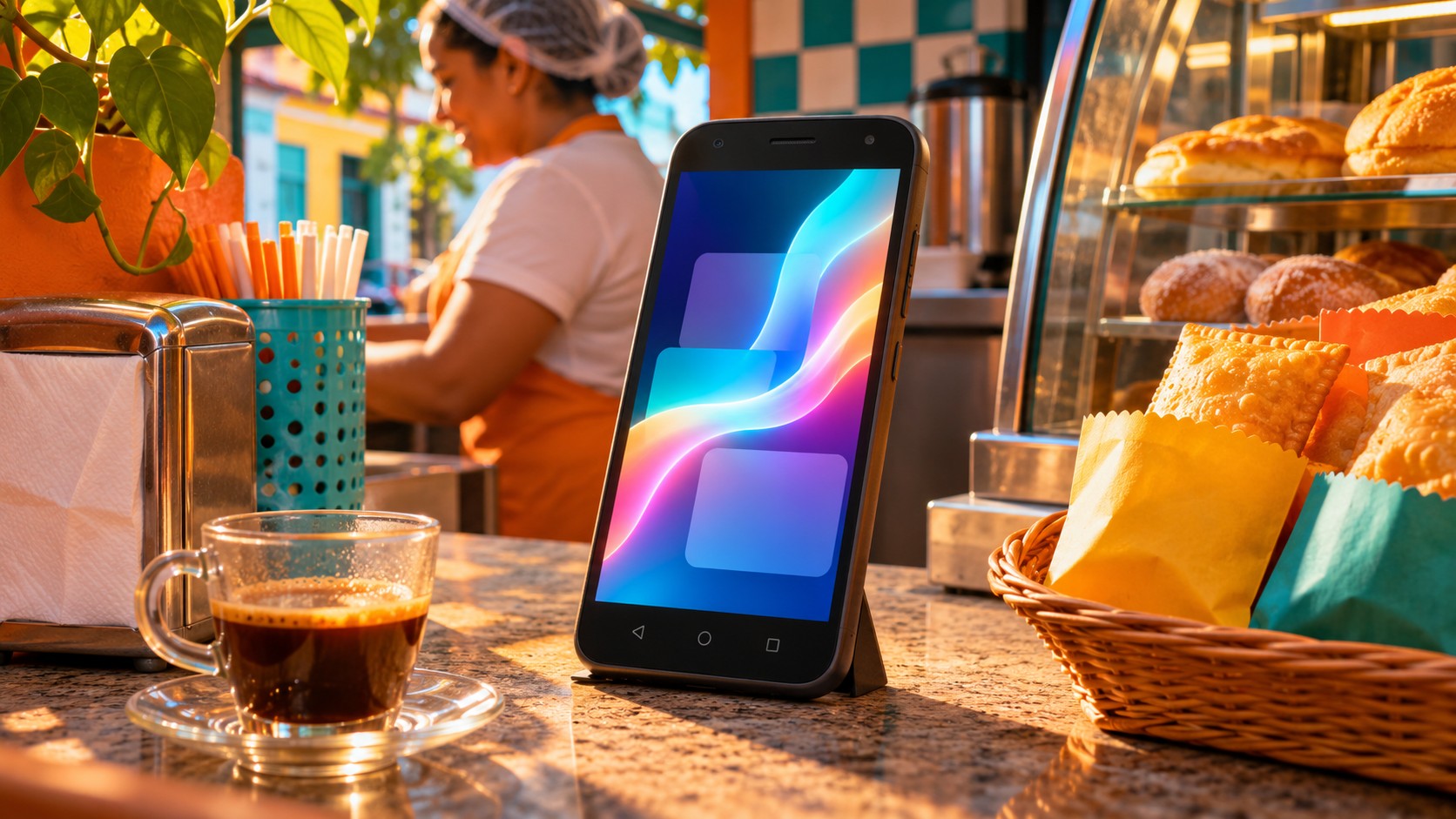
Google announced on Wednesday, November 18, that a fuller Gemini app experience is reaching low-memory Android Go phones. The package includes voice conversations with Gemini Live, camera assistance for learning and translation, and image creation with Nano Banana. The practical consequence is a broader set of tasks on an entry-level device, without assuming that users need to buy a more expensive phone first.
Android Go already had a starting point
An important distinction separates this announcement from the original rollout. Gemini Go began reaching users in June 2026, replacing Assistant Go with calling, messaging, alarms, calendar support and file uploads. Google now describes a re-architected core Gemini experience for hardware with less memory, emphasizing capabilities beyond those basic commands. Presenting this week as the first appearance of artificial intelligence on these devices would erase that earlier release and make the change sound larger than the evidence supports.
Conversation, camera assistance and image creation
According to Google, Gemini Live supports spoken conversations and interview practice in more than 45 languages. Users can point their camera at notes or forms for help learning and translating, while Nano Banana can generate images such as a promotional design for a bakery sale. These are examples supplied by the company. They are not independent measurements of response quality, reliability or performance on inexpensive phones, and the announcement should not be read as such a benchmark.
What a small business might gain
For Brazilian small and medium-sized businesses, the opportunity concerns hardware already on the counter or in employees’ hands. A shop owner could discuss promotional ideas aloud, ask for help understanding a document or explore a first visual concept for an offer. That could reduce the need to replace a phone merely to try an artificial intelligence assistant. It does not establish a measured financial saving or remove human responsibility for checking prices, commercial claims, generated images and usage rights before anything reaches customers.
Eligibility remains a real constraint
Google’s help center says the Android Go experience requires at least 2 GB of random-access memory, the device’s working memory, along with an eligible account and supported availability. The announcement directs users to Google Play or the power button on supported phones. It also mentions preinstallation on upcoming devices from partners such as Transsion. It does not provide a complete list of Brazilian handset models, a manufacturer-by-manufacturer timetable or a guarantee that every advertised capability will immediately reach every eligible phone.
A lighter app is not an offline model
Adapting an interface to limited memory does not mean that the complete models now run entirely inside the phone without an internet connection. Google makes no such commitment in this announcement and supplies no measurements for mobile data consumption, battery use or latency. The help page also lists limitations, including no “Hey Google” activation or “Ask about this screen” on Android Go. Our assessment is that the meaningful advance is broader access to everyday assistance. Businesses should still try a small task on the actual handset, without sensitive data, before translating greater availability into a productivity promise.
Sources
Google: Gemini para celulares com pouca memória; Google: requisitos e limites no Android Go; Google: anúncio original do Gemini Go em junho; GSMArena: cobertura do lançamento de junho; Minutes of AI: anúncio de 18 de novembro.