Salesforce launches Agentforce Help Agent, charging only for resolved support cases
Salesforce's new Help Agent, announced June 25 with general availability planned for July 2026, charges $2 per fully resolved customer issue, with no human escalation.

Charging for outcomes, not seats
Salesforce announced, on June 25, 2026, the Agentforce Help Agent, a customer service agent with an unusual billing model for the SaaS market: $2 per fully resolved issue, charged only when the AI agent closes the case on its own, without escalating to a human and without the customer walking away dissatisfied, according to the company's official announcement. General availability is planned for July 2026, though the exact date varies across sources.
Fast deployment
According to Salesforce, the Help Agent can be set up in under ten minutes, a direct response to the recurring criticism that enterprise AI tools take weeks or months to go live, according to CMSWire's coverage of the launch.
A break from the industry's pricing model
Charging per resolution breaks with the dominant pricing pattern for customer service software, historically sold per agent seat or per message volume. By tying price to outcome, whether the case was resolved or not, Salesforce shifts part of the tool's performance risk onto the vendor itself, according to CIO.com's analysis of the announcement.
What it changes for those selling or reselling AI support
For agencies and support automation vendors in Brazil, Salesforce's move creates a new benchmark: clients currently paying per seat or per conversation volume will start asking why they shouldn't only pay for what gets resolved. That pressures smaller vendors to rethink their own pricing structure, or at least spell out in contracts exactly what counts as a resolved case, an item that tends to spark disputes when billing depends on a success criterion defined by the tool's own vendor.
Pressure on direct competitors
The pricing model shift is also a direct message to competitors such as Zendesk and Intercom, which compete in the same AI customer service market. If outcome based pricing gains traction with enterprise clients, the pressure should push other vendors to offer similar result based pricing options, instead of sticking to seat based or interaction volume plans alone.
Also in Tools
Zapier launches independent ranking to measure whether AI actually automates business tasks
Artificial Analysis, working with Zapier, launched AutomationBench-AA, an independent benchmark that measures whether AI agents automate real business tasks without breaking the rules. Announced on July 6, 2026, the first ranking put Claude Fable 5 and Claude Opus 4.8 in the lead, completing 48.6% and 48.5% of tasks respectively.
OpenAI launches gpt-realtime-2.1, low-latency voice models for customer service agents
On July 6, 2026, OpenAI launched gpt-realtime-2.1 and gpt-realtime-2.1-mini, two low-latency voice models in the Realtime API built for automated customer service agents.
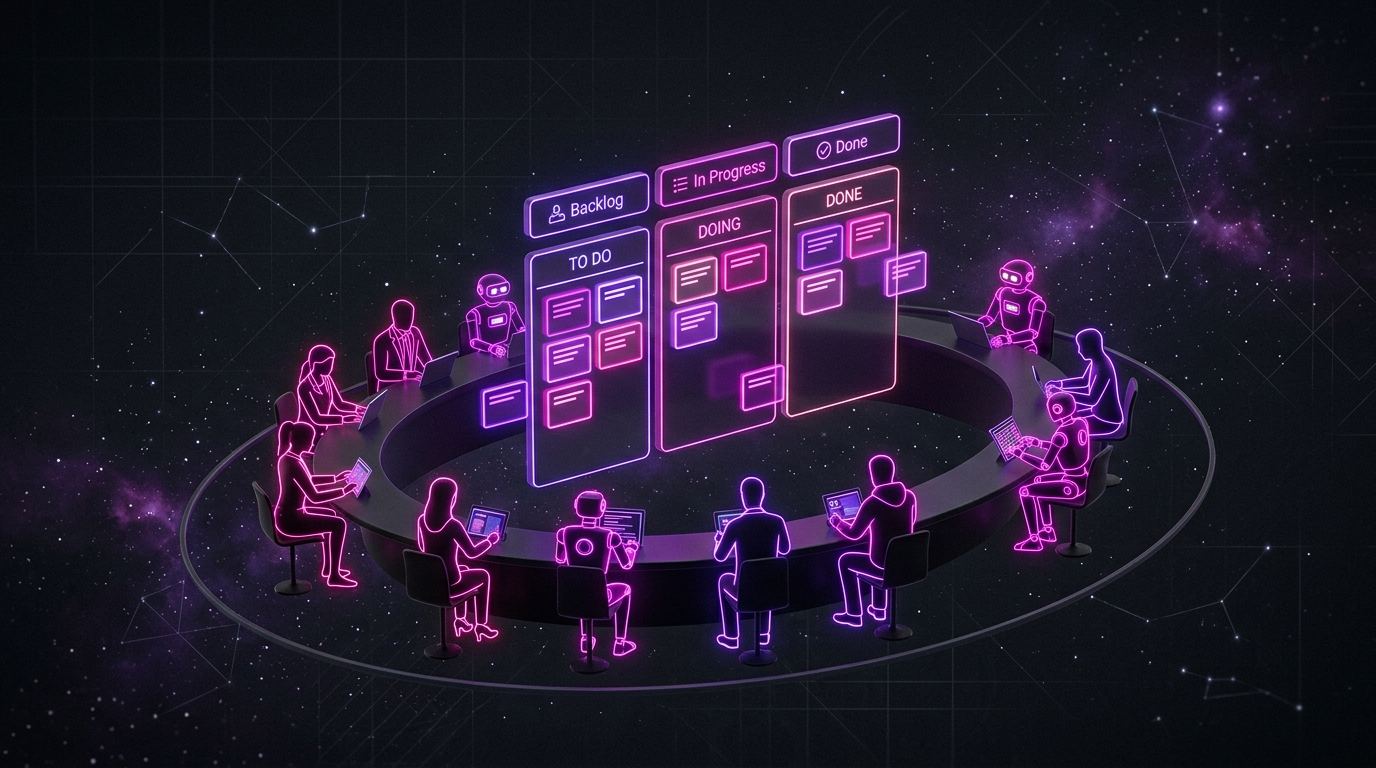
Notion 3.6 lets Claude and Cursor act as external agents inside the workspace
Notion's 3.6 update, released July 1, lets teams assign tasks to external AI agents like Claude and Cursor directly from shared boards, and adds AI generated interactive HTML blocks.